
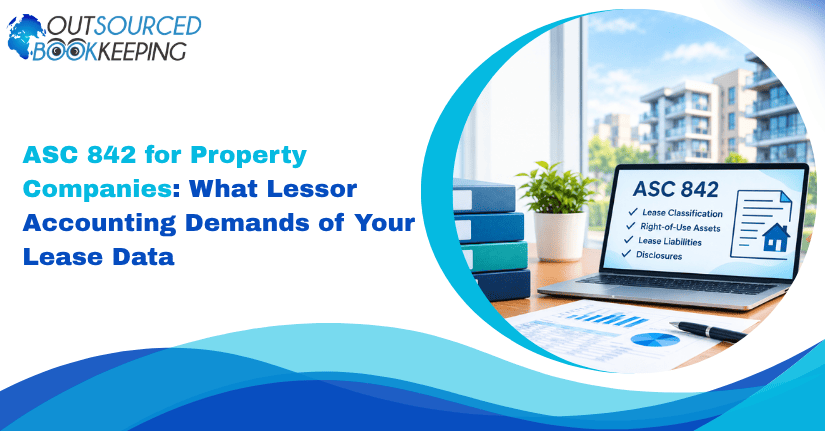
ASC 842 lessor accounting asks for something most property companies never set out to build: lease data that’s actually complete. Most writing on ASC 842 is written for the tenant side of the transaction. That’s where the standard made its loudest change. Operating leases moved onto the balance sheet, and lessees had to rebuild their […]
Property management KPIs are only as reliable as the ledger they’re pulled from. Delinquency, collections, NOI margin, operating expense ratio, and days-to-close: each of these numbers comes from your books. So if the books are off, even a little, the KPI doesn’t break. It just lies to you quietly, in a way that still looks […]
Oct 19–22, 2026 · San Antonio, TX Rent Manager User Conference 2026: What to Expect and How to Prepare Four days, 1,000+ property management pros, one resort. Here’s how to walk in with sharper questions than “what’s new?” — and come home with a plan that doesn’t die in a notebook. SK Shubham Khullar, CA […]
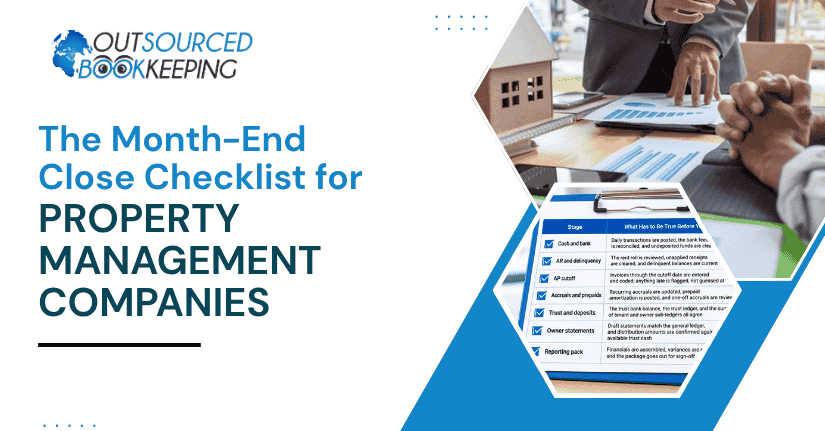
A month-end close checklist for a property management company has to do more than a standard corporate close. The reports don’t just sit on an internal desk. They go out to owners. Those owners trust you with their money, and some of that money isn’t yours to begin with. It sits in trust. A distribution […]
Progress billing is the process of billing for work done to date, rather than waiting until the project is complete. Contractors file applications based on the percentage of work performed in a period, and owners or their representatives verify the claim before releasing payment. Most explanations stop at the contractor’s side of that transaction. The […]

A schedule of values (SOV) is the agreed breakdown of a construction contract sum into billable line items, and it is the basis for every progress payment on the job. It is a billing document, not a cost budget. That distinction is the whole story. The schedule of values is what you agreed to bill […]
Doing security deposit accounting correctly comes down to one simple rule: the money is never yours. When a tenant pays a deposit, you record it as a liability: money you owe back. It is held apart from operating cash and reduced only when it is returned or lawfully applied to documented charges. It is never […]
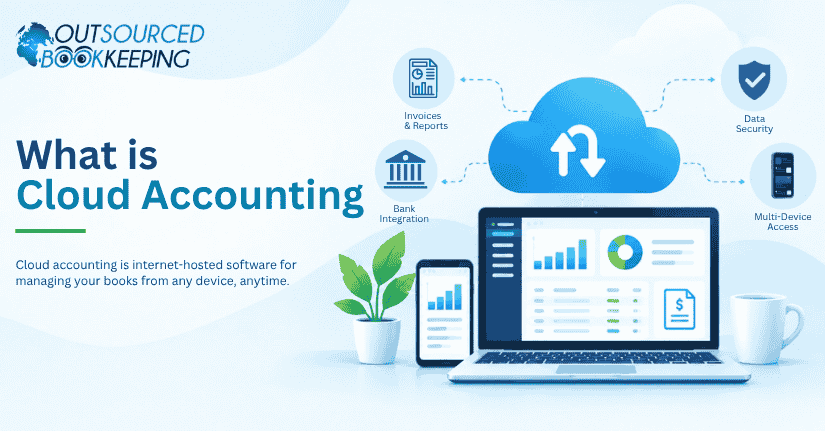
Cloud accounting is bookkeeping software you open in a web browser, with your books stored on the provider’s secure servers instead of one office computer. The software provides live bank data, enables shared access, and speeds up reporting. It will not, however, put order to disheveled books by itself. As a platform, it is only […]