
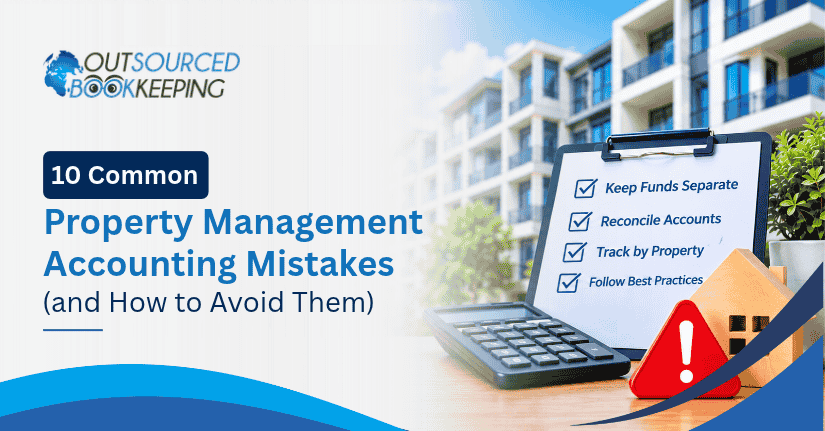
Some common property management accounting mistakes are mixing funds, treating security deposits as income, and failing to do reconciliations. All of these mistakes can seem very minor at the time. Forgetting to book a $1,800 security deposit, or putting off a bank reconciliation for a couple of weeks seems minor at the time. But even […]

The debt service coverage ratio for real estate, or DSCR, compares what a property earns with what it owes the lender each year. In formulaic terms: DSCR = NOI ÷ annual debt service. A 1.0 means income is just enough for the loan payments and no more. Get to 1.30, and there is a 30 […]
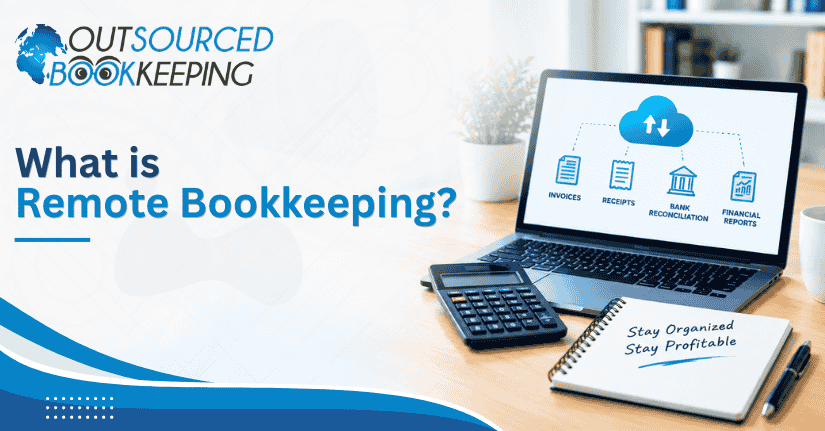
Remote bookkeeping means an outside bookkeeper keeps your books from an offsite location, using secure, role-specific access within your cloud accounting software. The work is no different. Someone still codes transactions, reconciles accounts, and puts together your monthly reports. Only the desk has been relocated. It works when three things are clear: who has access, […]

Bookkeeping for startups is just one habit: record every dollar as it moves and check your records on a schedule. Most founders don’t take that habit in the first few months because selling and building and hiring feel more urgent. Then it’s tax season, an investor wants some numbers, or the bank account doesn’t match […]
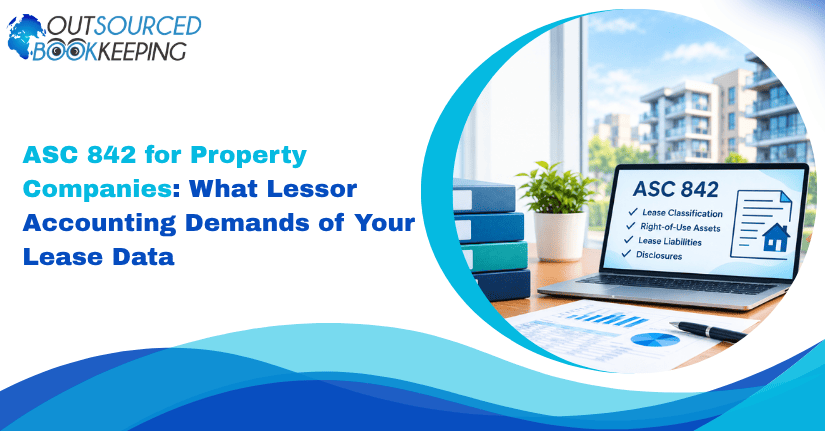
ASC 842 lessor accounting asks for something most property companies never set out to build: lease data that’s actually complete. Most writing on ASC 842 is written for the tenant side of the transaction. That’s where the standard made its loudest change. Operating leases moved onto the balance sheet, and lessees had to rebuild their […]

Property management KPIs are only as reliable as the ledger they’re pulled from. Delinquency, collections, NOI margin, operating expense ratio, and days-to-close: each of these numbers comes from your books. So if the books are off, even a little, the KPI doesn’t break. It just lies to you quietly, in a way that still looks […]
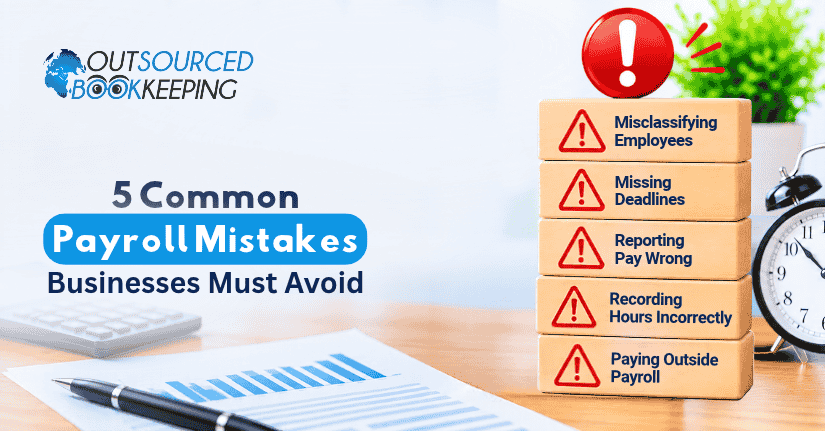
Any payroll mistake affects every employee in your organization, and no employee can afford to make it. The conversation in the break room about an employee not getting paid on time is a clear sign of the problem. Meanwhile, a quiet reporting error can sit hidden for a year until an auditor finds it. Key […]

Accounting for realtors is basic: record the amount paid on each deal, record how much each deal costs you, and keep track of how much cash you have on hand between closings. Record these in this order every month, and the books stay simple, even if the cash inflows are irregular. Of course, the challenges […]