

Tenant improvement allowance accounting starts with one question: who owns what the money builds? If the landlord owns the improvements, the spend is a cost of the property. When the tenant owns them, the allowance that pays for them is a lease incentive, and it lowers the lease income you report over the term. This […]

A month-end close checklist for a property management company has to do more than a standard corporate close. The reports don’t just sit on an internal desk. They go out to owners. Those owners trust you with their money, and some of that money isn’t yours to begin with. It sits in trust. A distribution […]
Progress billing is the process of billing for work done to date, rather than waiting until the project is complete. Contractors file applications based on the percentage of work performed in a period, and owners or their representatives verify the claim before releasing payment. Most explanations stop at the contractor’s side of that transaction. The […]
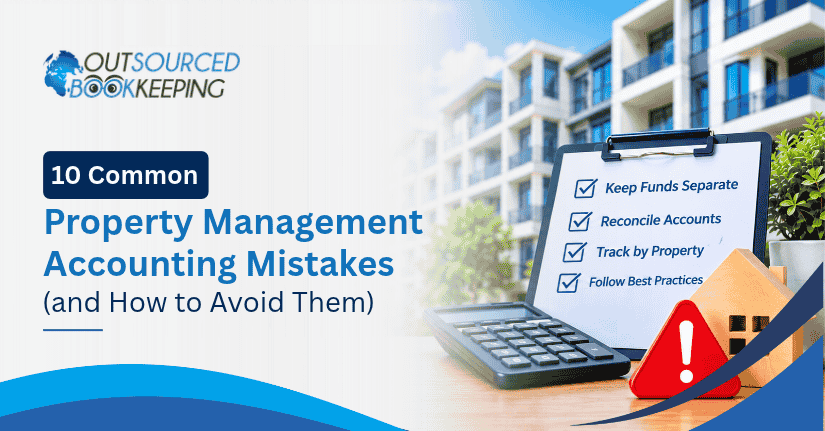
Some common property management accounting mistakes are mixing funds, treating security deposits as income, and failing to do reconciliations. All of these mistakes can seem very minor at the time. Forgetting to book a $1,800 security deposit, or putting off a bank reconciliation for a couple of weeks seems minor at the time. But even […]

The debt service coverage ratio for real estate, or DSCR, compares what a property earns with what it owes the lender each year. In formulaic terms: DSCR = NOI ÷ annual debt service. A 1.0 means income is just enough for the loan payments and no more. Get to 1.30, and there is a 30 […]
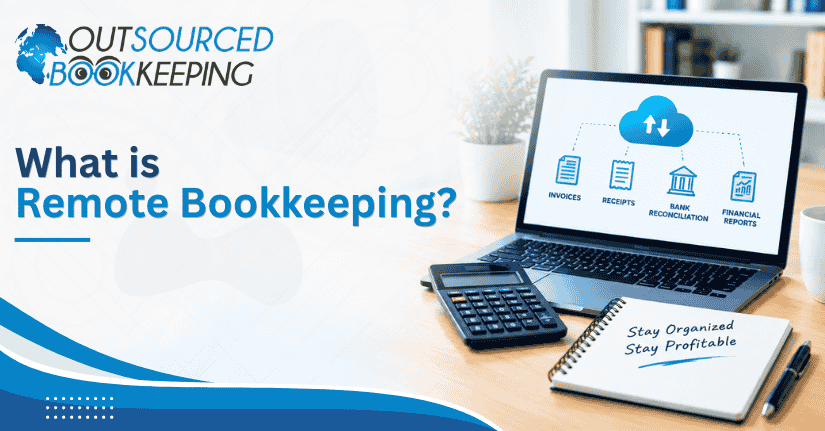
Remote bookkeeping means an outside bookkeeper keeps your books from an offsite location, using secure, role-specific access within your cloud accounting software. The work is no different. Someone still codes transactions, reconciles accounts, and puts together your monthly reports. Only the desk has been relocated. It works when three things are clear: who has access, […]

Bookkeeping for startups is just one habit: record every dollar as it moves and check your records on a schedule. Most founders don’t take that habit in the first few months because selling and building and hiring feel more urgent. Then it’s tax season, an investor wants some numbers, or the bank account doesn’t match […]
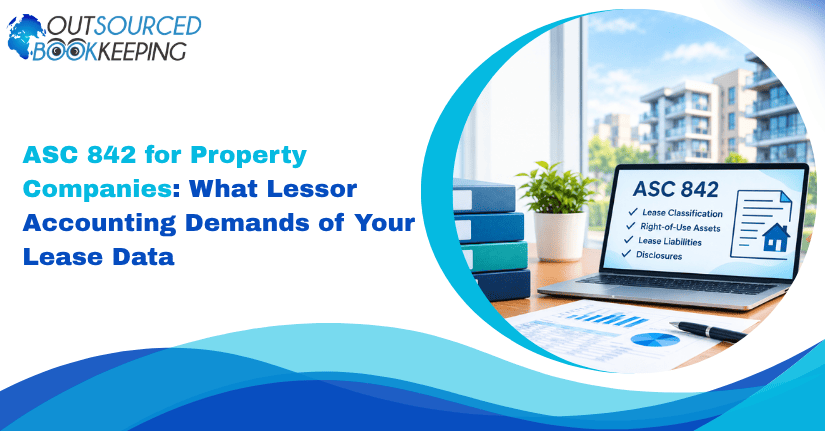
ASC 842 lessor accounting asks for something most property companies never set out to build: lease data that’s actually complete. Most writing on ASC 842 is written for the tenant side of the transaction. That’s where the standard made its loudest change. Operating leases moved onto the balance sheet, and lessees had to rebuild their […]